For readers tracking upcoming cricket tournaments, 2026 is not short of noise: World Cup cricket, franchise T20, India tours, women’s internationals, and Asian multi-sport drama all fight for the same evening attention. The strange part is that the betting market often reads fan interest faster than TV ratings do. A fan may watch a Test session for five hours, then place only one bet; a T20 over can trigger six markets before the bowler walks back to his mark.
The Calendar Is Crowded, But T20 Owns the Pulse
Search demand around the Indian schedule says one thing clearly: fans still orient the year around India. But betting demand tells a sharper story. T20 dominates because it produces more moments that can be priced: powerplay runs, sixes, wickets in an over, death-bowling economy, player milestones, toss impact, and live innings totals.
That does not mean T20 is “bigger” than Test cricket in cultural value. It means T20 is more liquid as a betting product. Books can refresh markets every ball; fans can react without waiting through a session; volatility becomes the attraction rather than a flaw.
Fixtures That will Actually Move Fan Attention for the rest of the year
ICC Women’s T20 World Cup: June 12–July 5 (Global women’s cricket, hosted in England and Wales)
Major League Cricket: June 18–July 18 (IPL-linked brands in the U.S. summer window)
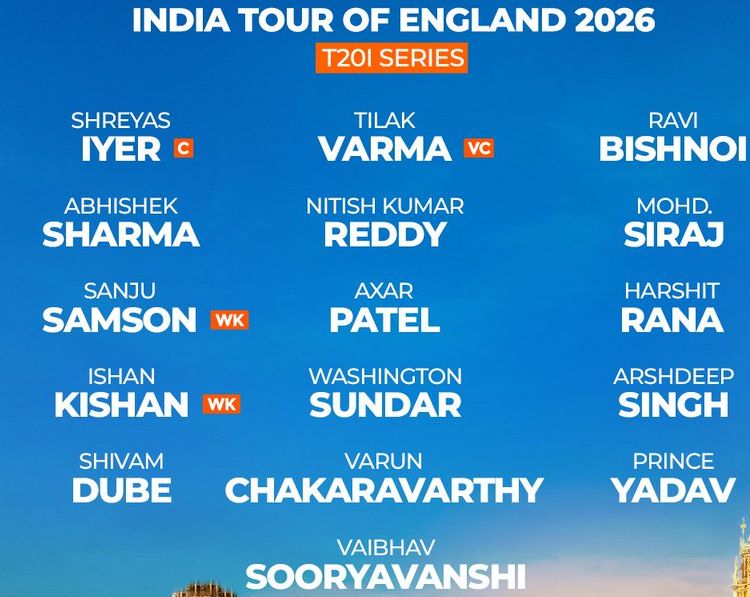
India tour of England & Ireland: July (India away from home always pulls global attention)
The Hundred: July 21–August 16 (Shorter format, city teams, new India based owners)
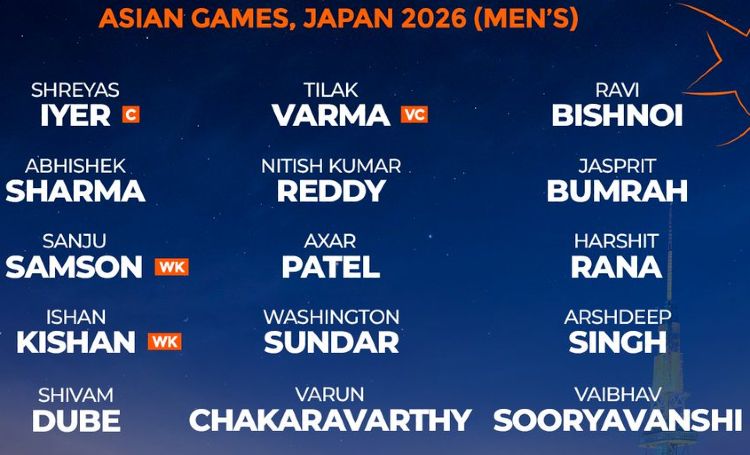
Asian Games cricket: September–October (National teams, T20 format, potential Olympic spot on the line)
The clean lesson is that format matters. The shorter the match, the easier it is for casual fans to feel informed. They do not need a full red-ball model; they need form, pitch pace, batting order, toss logic, and whether a finisher is facing spin or pace.
Searching for the Men in Blue’s next game is not just a calendar query. It is a fan checking whether the next emotional appointment is tomorrow, next week, or after a dead stretch. India’s fixtures behave almost like a market index for cricket traffic because one bilateral series can pull more attention than an entire neutral tournament.
That is why India’s England tour has weight beyond the scoreboard. Conditions change. Batters who look invincible at home suddenly face seam, slope, late movement, and Dukes-ball patience. For bettors, that creates more nuance than a flat T20 pitch: innings runs, session totals, top Indian batter, England new-ball wickets, and draw pricing all become live questions.
The Women’s T20 World Cup may be the most interesting pure cricket event of mid-2026. Twelve teams, quick format, pressure games, and a widening talent pool make it ideal for fans who follow matchups rather than reputation alone. Major League Cricket then carries T20 into a different time zone, with six teams, 34 matches, and IPL-linked ownership adding instant recognition.
Cricket fans now move between formats with fewer walls than before. They watch a World Cup chase, check MLC lineups, follow a Hundred double-header, then drift into gaming streams where odds culture feels familiar. During those multi-screen nights, an esports betting site can sit beside cricket markets because the audience already understands maps, momentum, live pricing, and player form. The logic is not identical, but the habit is close: fast information, quick reaction, measurable risk. That is why eSports and T20 often share the same digital crowd even when the games look nothing alike.
TV ratings measure who watched. Market volume measures who acted. That distinction matters because cricket fans do not always bet on the matches they respect most; they bet on the matches where they feel they can read the next ten minutes.
T20 wins here because it compresses risk. A single over changes win probability. A dropped catch changes a total. A left-right pair changes field placement. The product gives fans constant decision points, while ODIs and Tests ask for longer concentration and patience.
Promoters sell spectacle: fireworks, jerseys, celebrity boxes, “new era” slogans. Fans usually want something simpler. They want jeopardy that arrives early and does not need explaining.
That is why The Hundred keeps mattering even to purists who grumble about it. It gives families a short night out, broadcasters a tidy product, and bettors a format where every set of five balls has consequence. It may not own cricket’s soul, but it understands modern attention better than many older competitions.
The same applies to MLC. Its strongest card is not that America has suddenly become a cricket nation. It is that Indian, Pakistani, Caribbean, Australian, and English cricket cultures already live inside U.S. cities. Franchise T20 simply gives that scattered audience a local address.
The Smarter Fan’s 2026 Watchlist
Track these before placing any tournament forecast:
Toss and venue history, especially in England and U.S. night games.
Batting position changes after injuries or rest rotations.
Death-over economy, not just total wickets.
Boundary percentage on specific grounds.
Whether a team depends too heavily on one finisher.
Schedule fatigue when players move from international duty into franchise cricket.
The best cricket year is not always the one with the most matches. It is the one where formats argue with each other. In 2026, T20 has the louder market; Tests still carry the deeper memory; and fans will keep pretending they only care about cricket until the odds move after the toss.