Cricket’s next ruling class is not waiting for permission. In 2026, power in the white-ball format is getting younger by the day, Test cricket still rewards nerve, and selectors currently have less patience for tidy domestic resumes than for players who can change a match in a matter of minutes. The T20 World Cup in India and Sri Lanka only made that clearer because every squad needed one batsman who could break the field and one bowler who was excellent at the death. Here are five young cricketers with the range, temperament and timing to dominate the year ahead.
The five names that will keep circling:
Yashasvi Jaiswal
India; Left-hand opener
Test pedigree, T20 acceleration and a fearless first 20 balls
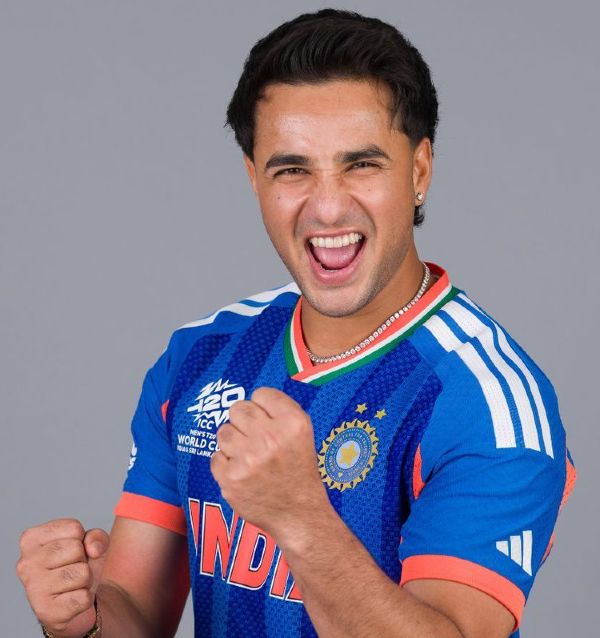
Abhishek Sharma
India; Batting all-rounder
Left-hand power, useful spin and brutal domestic T20 form
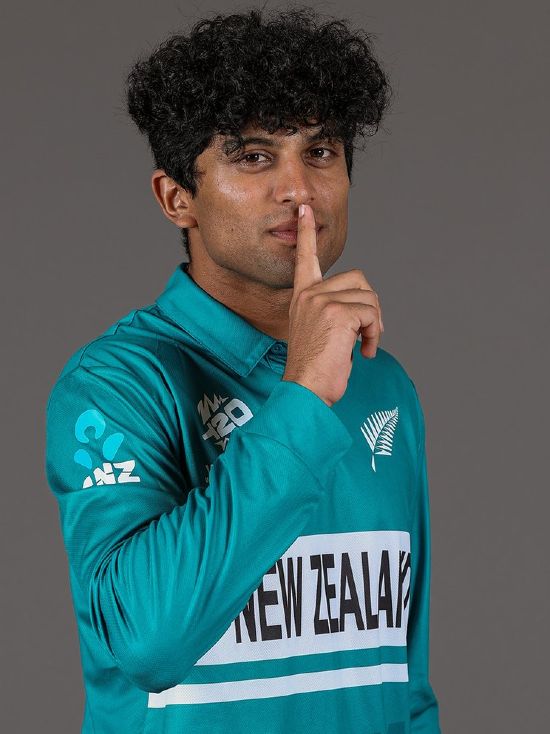
Rachin Ravindra
New Zealand; Top-order all-rounder
ODI tournament record, Test ceiling and calm under pressure
Dewald Brevis
South Africa; Middle-order hitter
High-risk power that changes totals in two overs

Matheesha Pathirana
Sri Lanka; Death-overs quick
Unusual release point, yorker threat and T20 finishing value
Jaiswal and Abhishek are not the same Indian story
Yashasvi Jaiswal is already touted to be part of the next “Fab 4” in world cricket, just like Messrs Root, Kohli, Williamson and Smith were a decade ago. A left-handed opener who can bat time in Tests and still bully the new ball in T20s is rare enough; doing it before the age of 25 changes selection math. His real value is not only the boundary rate. It is the way he forces captains to move fielders before the innings has settled.
Abhishek Sharma brings a different kind of violence. He attacks pace early, targets spin without needing a long look, and gives India a sixth-bowler option when conditions turn dry, a la his mentor Yuvraj Singh. His Syed Mushtaq Ali burst in late 2025, when he smashed 148 from 52 balls for Punjab, gave the argument hard numbers rather than hype. In a format where matchups decide squads and flexibility is valued, left-hand power with spin overs is gold dust.
Ravindra plays the older game with a newer pulse
Rachin Ravindra does not play as if he is in a hurry, which is exactly why New Zealand trust him. He has already shown the habits that separates international batters from domestic scorers: he makes tournament pressure look ordinary. His ODI work at global events gave New Zealand control at No. 3, while his Test double-century range showed he is not a white-ball specialist wearing a red-ball shirt. That matters when 2026 cricket keeps pulling players across formats.
Brevis and Pathirana bring the chaos factor
Dewald Brevis remains cricket’s most fascinating unfinished explosion. South Africa does not need him to bat prettily; they needs him to turn 145 for 3 into 205 for 5 before the bowling side understands what happened. The risk is obvious- His shot selection can still leave a bit to be desired, but teams forgive that when the upside is a match turned inside out.
Matheesha Pathirana is a different bet. His slingy action makes length hard to read, and at the death that half-second of doubt is often enough. Sri Lanka’s challenge is workload, because high-speed T20 specialists can burn quickly if they are used without care. Managed well, he gives captains a weapon for the 18th and 20th overs, the two overs where good nights become famous ones.
The betting angle sits in roles, not reputation
Cricket bettors used to chase names first and conditions later. The sharper approach now starts with role clarity: who opens, who bowls inside the powerplay, who owns the final two overs, and who loses value if the pitch is slow. Serious readers comparing betting sites for cricket should look for live score depth, market variety, quick odds movement and visible settlement rules before placing a pre-match or in-play bet. That structure helps separate a useful cricket betting page from a noisy one when toss news, impact-player choices and weather updates start moving prices. Reputation matters, but in cricket betting the market often turns on one team sheet.
What will decide the race
Jaiswal’s away Test returns against high pace.
Abhishek’s ability to be consistent at the top and to bowl trusted overs, not token overs.
Ravindra’s output when New Zealand rebuild after early wickets.
Brevis’ strike-rate control against pace and shot selection
Pathirana’s fitness through franchise and international blocks.
The next year will not be kind to half-ready talent. It will ask these players to travel, switch formats, handle tactical analysis and still look free when the ball leaves the hand. That is the cruel bargain at the top level. Youth gets noticed quickly now, but only repeat skill survives the noise.